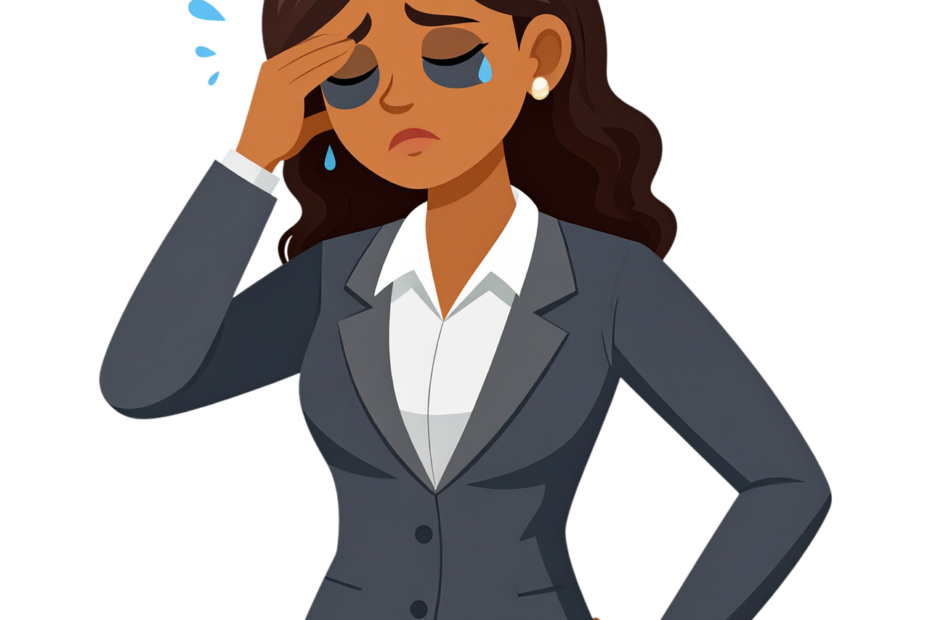
Sleep debt, circadian disruption, sustained demands, and too little recovery steadily drain physical and mental capacity across extended shifts. Near hour 10, a chart entry, forklift turn, medication dose, or drive home can demand more attention than your tired brain can reliably spare.
You need practical ways to spot risk, respond during a hard shift, protect recovery, and recognize signs that point beyond work strain.
Work Fatigue Is More Than Ordinary Tiredness
A normal end-of-day dip eases after food, rest, and a solid night of sleep. Workplace fatigue leaves you with lower physical, mental, or emotional capacity after sustained effort, sleep loss, or inadequate recovery.
Your muscles can feel spent after lifting, walking, standing, or repeating one motion for hours. Desk work can drain you too, since screen focus, conflict resolution, rapid decisions, and repeated interruptions place a heavy load on attention.
| State | What it feels like | What rest changes |
|---|---|---|
| Ordinary tiredness | You feel sleepy or physically spent near the end of a normal day. | A meal, sleep, or quiet evening restores energy. |
| Acute work fatigue | Your focus slips during or after an unusually long, demanding shift. | Recovery can take one or two protected nights of sleep. |
| Chronic fatigue | You start shifts depleted and stay depleted across several weeks. | Weekend rest brings little relief because strain keeps returning. |
| Exhaustion beyond work strain | Your low energy persists despite reasonable sleep and reduced demands. | Clinical evaluation can identify sleep, mood, medication, or medical causes of fatigue. |
Consider a payroll specialist closing a quarter after 10 hours of spreadsheets and urgent messages. You do not need to lift a heavy box for your error checking to fade; sustained concentration can leave numbers landing in the wrong fields.
Mental effort drains capacity in quiet jobs
Attention has limits. Each interruption forces your brain to rebuild the task map, and repeated switching can leave you mentally spent long before your muscles hurt.
Willpower cannot replace recovery. Pushing through a foggy afternoon can turn ordinary tiredness into missed details, poorer judgment, and a riskier commute for you.
The fog often has a biological source: recovery that is too short or badly timed.
Sleep Debt and Circadian Rhythm Disruption Drain Alertness
Fading error checking points toward a biological cause. Long days reduce the time left for sleep, meals, family tasks, commuting, and winding down, so bedtime moves later while your wake time stays fixed.
Sleep debt builds across consecutive shifts
Sleep debt is the gap between the sleep your body needs and the sleep you receive. Even small losses across several nights can reduce alertness, reaction time, memory, patience, and your ability to catch a mistake before it spreads.
- Day one: You extend a shift, arrive home late, and shorten your sleep window while finishing basic home tasks.
- Day two: Your attention fades sooner because the prior night did not restore mental capacity.
- Day three: Caffeine and urgency can hide sleepiness while reaction time and judgment continue to decline.
- Day four: You start work depleted, so routine stressors feel harder than they did earlier in the week.
Extended shifts create two pressures at once. They add demand hours while taking recovery time from the period where your sleep, meals, movement, and decompression must fit.
Body-clock low points reduce alertness
Your circadian rhythm is an internal timing system that shapes sleepiness, body temperature, hormone release, and alertness. Alertness falls sharply overnight near pre-dawn hours, then drops again during the early afternoon.
A 3 p.m. slump does not mean you lack discipline. That natural low point grows stronger after poor sleep, a heavy meal, repetitive work, dim lighting, or time in a warm room.
Mental workload produces cognitive fatigue
Repetitive tasks can dull vigilance because your brain receives little novelty to hold attention. Constant decisions reach the same endpoint through a different route: they drain the mental systems you use for planning and judgment.
Air-traffic monitoring, medication administration, dispatch work, quality inspection, and customer escalation work demand sustained vigilance. You can show cognitive impairment while your heart rate and physical exertion remain low.
Sleepiness is not the only concern. You can feel awake enough to continue while your attention has narrowed enough to miss a warning light, a dosage digit, or a traffic change.
Work Conditions Can Deepen Exhaustion
Sleep loss opens the door, but job conditions shape how fast exhaustion grows. A packed queue, short staffing, shifting priorities, and time pressure can keep your stress response active long after a task should have ended.
Demand and low control strain the stress system
Chronic stress keeps stress hormones and muscle tension elevated. You can pay for that effort through irritability, poor sleep, headaches, and the sense that simple requests require too much energy.
Your control over pacing matters. A demanding shift with predictable breaks and clear priorities is less draining than a shorter shift where alerts, customer demands, and last-minute changes control every minute.
- Heavy workload: More tasks than your shift can hold force rushed choices and skipped recovery breaks.
- Low staffing: Missing coworkers remove backup, add overtime, and leave fewer chances for you to step away.
- Emotional labor: Calming angry customers or distressed patients uses attention while you suppress your own frustration.
- Unclear priorities: Competing requests force repeated decisions about what must remain unfinished.
- Low autonomy: Little control over timing or methods can make the same workload feel more exhausting.
Physical exposures add discomfort and strain
Prolonged standing can leave your legs aching and swollen, while prolonged sitting can stiffen hips, shoulders, and the lower back. Repetitive reaching, twisting, typing, scanning, or lifting adds local muscle strain that can make concentration harder.
Noise forces your brain to filter distraction. Poor lighting strains your eyes, uncomfortable temperatures raise physical stress, and a badly placed monitor can turn a long shift into a slow buildup of neck pain and headache.
Food, fluids, substances, and medicines alter fatigue
Skipped meals can cause a sharp energy drop, especially after sugary snacks that leave you hungry again an hour later. Your hydration and nutrition shape concentration, mood, and energy stability across a full shift.
Alcohol close to bedtime can fragment sleep even when it seems to speed sleep onset. Sedating medicines, including some antihistamines, sleep aids, pain medicines, and anxiety medicines, can leave your reaction time slower the next day.
Check medication labels and discuss drowsiness with a pharmacist or clinician. Your job may require disclosure for safety-sensitive duties, particularly where you drive, operate machinery, give patient care, or work at elevation.
Warning Signs Show That Fatigue Is Affecting Safety
A missed checklist step can be the visible tip of a larger problem. Work fatigue symptoms fall into four groups: cognitive, physical, emotional, and behavioral signs.
Cognitive and physical signs can appear before a major error
- Attention lapses: You reread the same line, lose your place, or miss details that were clear earlier.
- Slow recall: Recent instructions, names, codes, or the last completed step become hard for you to retrieve.
- Heavy eyelids: Frequent blinking, yawning, head nodding, and blurred vision signal rising sleep pressure.
- Body discomfort: Headaches, tense shoulders, stomach upset, and clumsy movement can accompany severe strain.
- Delayed reactions: You take longer to respond to alarms, questions, traffic changes, or equipment movement.
You might scan the wrong barcode after three hours of overtime in a warehouse, then correct it because a coworker spots the pallet location. That near miss gives you and your supervisor useful safety information; it is not a personal failure to hide.
Emotional and behavioral changes affect the full shift
Irritability can make neutral feedback feel hostile. You can also feel impatient, flat, detached, anxious, or less able to tolerate routine setbacks.
Behavioral signs include slower output, shortcuts, poor communication, repeated corrections, and microsleeps. A microsleep is a brief involuntary lapse into sleep, and even a brief lapse can place your vehicle, machine, or patient-care task in danger.
Stop hazardous work and report severe drowsiness at once after nodding off, lane drifting, a near miss, forgotten recent steps, or trouble staying awake while seated.
The effects of fatigue in the workplace extend beyond productivity. Poor judgment can lead to workplace accidents, damaged equipment, medication mistakes, missed alarms, conflict with coworkers, and drowsy driving after your shift.
Schedules and Jobs Create Different Levels of Exposure
Risk rises fastest where recovery time is compressed. Night shifts, rotating schedules, back-to-back 12-hour shifts, overtime, on-call duties, and short turnarounds place sleep against biological timing and household demands.
Schedule patterns can leave too little recovery time
| Schedule pattern | Why fatigue builds | Practical exposure point |
|---|---|---|
| Night shift | Your sleep occurs against the body clock and faces more interruptions. | Your lowest alertness can arrive during active duties. |
| Rotating schedule | Your bedtime and wake time move before your body clock settles. | Each rotation can restart adjustment strain. |
| Consecutive 12-hour shifts | Long duty periods reduce sleep opportunity and physical recovery. | Your commute, meals, and chores compete with bedtime. |
| Short turnaround | You have too few hours between clock-out and your next start. | Your sleep window can become shorter than planned. |
| On-call work | Uncertainty interrupts rest even without a call. | You stay mentally prepared instead of winding down. |
Leaving at 7:30 p.m. and returning at 6:30 a.m. does not give you 11 hours of recovery. Commute time, eating, showering, family duties, and sleep onset can leave your true sleep opportunity far shorter.
High-exposure roles combine several demands
Transportation, health care, emergency response, manufacturing, construction, warehousing, and utility work pair long shifts with public safety or physical hazards. You can face similar risk in monitoring roles, where boredom and vigilance failure can arrive together.
Public-facing work deserves equal attention. Handling distressed customers, managing classroom conflict, or documenting difficult social-services cases can leave emotional strain with you after the clock stops.
The five P’s reveal where risk is building
- People: Look at sleep loss, health concerns, experience level, commute length, and caregiving demands affecting your capacity.
- Place: Check lighting, heat, noise, break access, travel distance, and areas where a lapse could carry serious consequences.
- Plant or equipment: Identify vehicles, lifting devices, tools, and controls that need fast reactions and steady attention.
- Procedures: Review overtime rules, task rotation, break timing, handoffs, and methods for reporting severe drowsiness.
- Policies: Review staffing plans, on-call expectations, scheduling limits, and supervisor response after fatigue reports.
Long hours can expose you to hazards beyond personal habits because schedules and job design shape sleep opportunity, task difficulty, and commute risk. That view aligns with occupational safety and health guidance from the Occupational Safety and Health Administration (OSHA) and the National Institute for Occupational Safety and Health (NIOSH).
Guidance matters most when it translates into actions taken before fatigue becomes an incident.
A Same-Shift Response Limits Immediate Danger
Lane drifting or a near miss means the problem has moved beyond a bad afternoon. Severe drowsiness calls for a safety response during your current shift, not a promise to sleep more later.
Immediate safety comes before output
- Step away safely: Stop driving, lifting, climbing, operating machinery, giving medication, or handling another hazardous task.
- Tell someone directly: Notify your supervisor, lead, dispatcher, or coworker that alertness is unsafe for the duty.
- State the sign: Mention nodding off, repeated errors, missed steps, or trouble keeping your eyes open.
- Use safer duties: Move to lower-risk work only after a supervisor confirms that the task does not add another hazard.
- Plan the trip: Do not drive while severely drowsy; arrange a ride, rest period, or another safe option.
Your wording can stay plain: state that you are too drowsy to continue a task safely, that you have missed steps, and that you need a safer plan. Clear facts give your supervisor something concrete to act on.
Short-term measures cannot replace sleep
Water, a balanced snack, five to 10 minutes of walking, fresh air, and a brief break can reduce discomfort and raise alertness for a short period. A planned nap can help you more than another sugary drink where job policy and safe coverage allow it.
Caffeine blocks adenosine, a chemical linked to sleep pressure. It can sharpen alertness for a limited period, yet it does not restore your judgment, memory, or coordination to a rested level.
Keep caffeine earlier in your wake period where possible. Late-day coffee, energy drinks, or stimulant products can delay sleep onset, reduce sleep quality, and leave you with a larger debt before the next shift.
Recovery Habits Help Make Long Hours More Sustainable
A same-shift response limits immediate danger, but recovery shapes the baseline you bring into the next shift. Protected sleep time needs the same status as a scheduled work obligation during heavy weeks.
Sleep conditions shape the next day
Set a repeatable wind-down routine that reduces stimulation before bed. Dim light, a cooler room, quiet, and a device-free period can help your brain shift out of work mode.
Your body clock responds to light. Daylight after waking can strengthen wakefulness, while bright light near bedtime can push sleep later and shorten an already limited night.
Breaks and food reduce mid-shift collapse
- Schedule breaks early: Take brief pauses before concentration falls apart rather than waiting for an error or headache.
- Change posture: Stand, walk, stretch, or shift tasks to reduce stiffness from one position.
- Eat steady meals: Pair protein, fiber-rich carbohydrates, and fats instead of relying on candy or pastries for fuel.
- Carry fluids: Keep water within reach so drinking does not depend on finding time during a busy rush.
- Protect the commute: Treat your post-shift drive as a safety task, not a final obstacle to push through.
Small food choices matter during a 12-hour day. Yogurt with fruit and nuts, a turkey sandwich with vegetables, or beans and rice can hold your energy steadier than a large sweet drink and vending-machine snack.
Boundaries keep strain from becoming your baseline
Declining extra overtime can be the safer choice after consecutive long shifts. Your body does not reset because a schedule needs coverage.
Set limits around after-hours messages, unpaid work, alcohol near bedtime, and obligations that erase recovery days. Fatigue management in the workplace also needs staffing, realistic deadlines, and supervisors who treat your fatigue report as a safety signal rather than a weakness.
Burnout and Illness Can Resemble Work Fatigue
Protected sleep and better breaks should improve sleep-related fatigue over time. Exhaustion that remains intense despite those changes needs closer attention because job burnout and medical causes of fatigue can resemble a demanding schedule.
Burnout has a broader work pattern
| Pattern | Typical clues | Useful next action |
|---|---|---|
| Short-term work fatigue | You feel depleted after a heavy stretch but recover with sleep and time away. | Adjust sleep, breaks, workload, and commute safety. |
| Job burnout | You feel persistent exhaustion, cynicism, detachment, and reduced effectiveness at work. | Discuss workload, control, staffing, and mental health care. |
| Medical fatigue | You stay exhausted for weeks or develop symptoms beyond work strain. | Arrange clinical evaluation and review medicines, sleep, and health history. |
Burnout symptoms at work extend beyond feeling sleepy after a late night. You can feel detached from coworkers, cynical about tasks that once mattered, or unable to feel effective despite more effort.
Job burnout involves work-related physical or emotional exhaustion, reduced accomplishment, and a weaker sense of identity with work. That description aligns with Mayo Clinic material on burnout and points toward workload and support changes rather than another cup of coffee.
Medical contributors need direct attention
Sleep apnea can fragment sleep through repeated breathing interruptions, leaving you unrefreshed despite enough time in bed. Loud snoring, gasping, morning headaches, and severe daytime sleepiness are reasons for you to speak with a clinician.
Anemia, thyroid disease, depression, anxiety, chronic pain, infections, and medication effects can also produce persistent low energy. Shift work disorder is another concern where your schedule repeatedly conflicts with sleep and wake timing.
Seek urgent help for chest pain, fainting, severe shortness of breath, confusion, or inability to stay awake during a safety-sensitive task. Arrange a clinical visit where exhaustion lasts weeks, worsens, disrupts daily life, or arrives with unexplained weight change, fever, or new weakness.
Final Takeaways
Repeated late-shift exhaustion reflects depleted recovery, not a personal failure or lack of grit. Your safest next step is matching the response to the pattern: stop hazardous work during severe drowsiness, protect sleep after demanding shifts, raise schedule concerns early, and seek clinical care where exhaustion stops responding to recovery.
FAQ
What causes fatigue during long work hours?
Sleep debt, disrupted circadian rhythm, long shifts, mental workload, physical exertion, short recovery periods, poor break access, emotional labor, medicines, alcohol near bedtime, and medical conditions can all contribute. Your risk rises where several pressures occur together, such as a 12-hour night shift followed by a long commute.
Why do long shifts make people tired even when the job is not physically demanding?
Sustained attention uses mental capacity even during seated work. You can become mentally fatigued through screen focus, interruptions, conflict resolution, repeated decisions, quality checks, and vigilance tasks, then make more errors despite low physical exertion.
What are four warning signs of fatigue?
Four core warning groups are cognitive lapses, physical sleepiness, emotional irritability, and behavioral errors. You might reread instructions, feel heavy eyelids, snap at routine requests, work more slowly, or have a microsleep. Nodding off, lane drifting, and repeated near misses require immediate safety action.
What are the 5 P’s of fatigue?
The five P’s are people, place, plant or equipment, procedures, and policies. You can use them to spot whether fatigue risk comes from sleep loss, the work setting, hazardous tools, break practices, staffing, overtime rules, or weak reporting procedures.
What type of work is most likely to result in fatigue?
Night work, rotating schedules, extended shifts, emergency response, transportation, health care, construction, manufacturing, and sustained monitoring roles carry high exposure. Your risk rises further where time pressure, physical hazards, emotional labor, short turnarounds, or long commutes sit on top of those duties.
How do you fight extreme fatigue at work?
Stop hazardous work, tell a supervisor or coworker, drink water, eat a balanced snack, move briefly, and take a permitted rest break or nap. Caffeine can offer short-term alertness, but you should not use it as a reason to drive, operate equipment, or continue unsafe work while severely drowsy.